Once your shipment arrives in the Philippines, it doesn't go straight to your warehouse. It first goes through customs clearance - a process handled by the Bureau of Customs to make sure everything is declared properly and all regulations are followed.
Here's how that process typically works.
1. Arrival of Goods
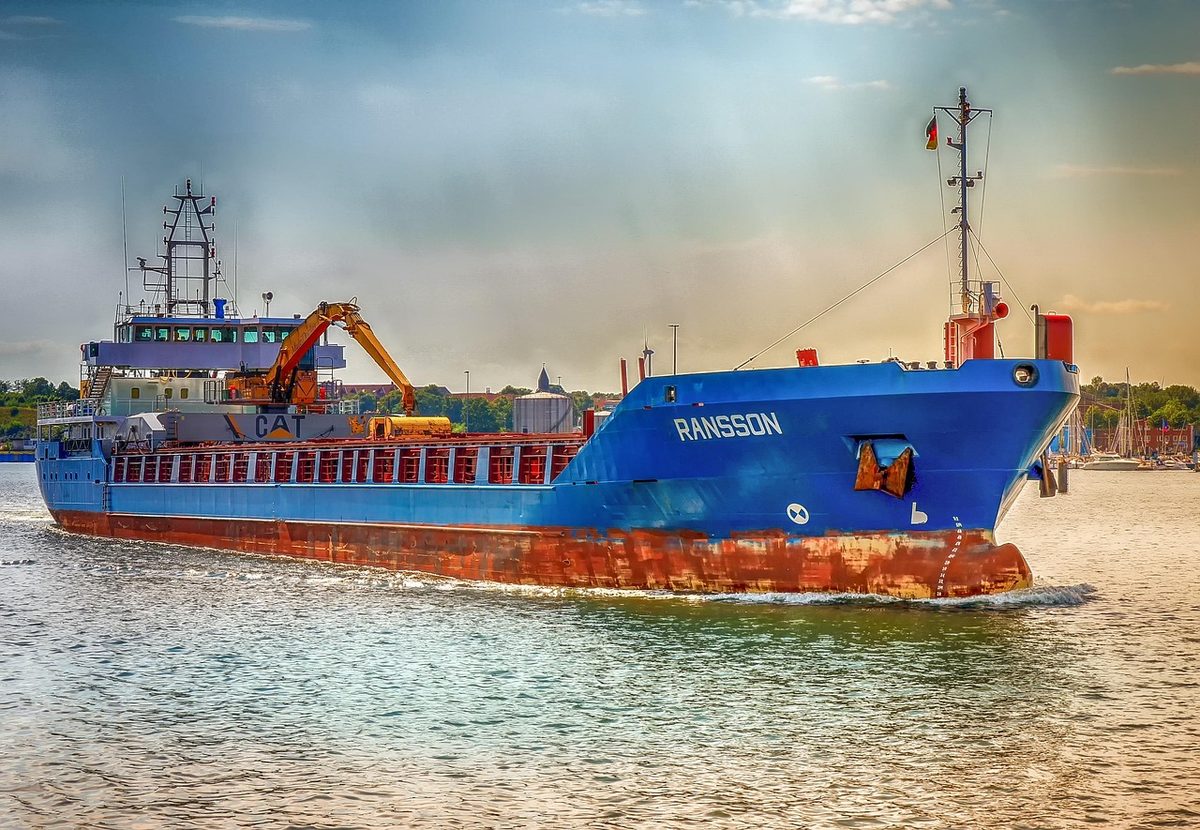
Your shipment arrives at a port or airport and is placed under customs control. At this point, it cannot be released yet - even if everything is already paid for.
2. Filing the Goods Declaration
Your broker files the Goods Declaration electronically. This is where all shipment details are submitted to customs. Errors here tend to surface later, so this step needs to be done carefully.
3. Selectivity (Lane Assignment)
Customs uses a risk-based system that assigns shipments to different lanes:
- Green Lane - released with minimal checks
- Yellow Lane - documents are reviewed
- Orange Lane - documents reviewed and subject to X-ray scan; physical inspection if image is suspicious
- Red Lane - documents reviewed, X-ray scan, and full physical inspection
You don't get to choose the lane - it's system-generated based on risk factors.
4. Assessment
Customs reviews the declaration and verifies:
- Whether the value is correct
- Whether the classification is accurate
- Whether duties and taxes are properly computed
5. Payment
All duties and taxes must be paid before release.
6. Inspection (if required)
If your shipment is flagged for inspection, customs will physically check the goods against the declaration. This is where inconsistencies can cause delays or additional assessments.
7. Release
Once everything is cleared, customs authorizes release. See our full guide on Release Procedures and Delivery of Imported Goods for what happens next.
The whole process can take anywhere from one to several working days depending on which lane you're assigned and how complete your documentation is.